
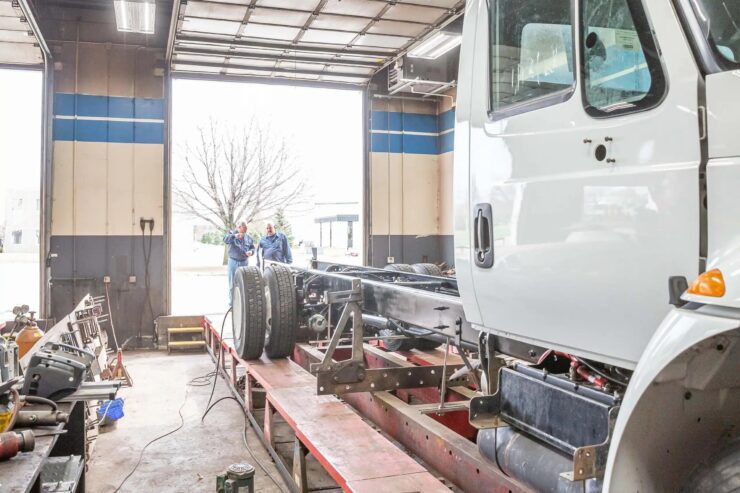
Have you ever noticed how a heavy commercial truck can feel completely fine one month and then suddenly start pulling to the side, vibrating, or chewing through tires the next?
Studies in fleet maintenance consistently show that alignment and frame problems are among the most commonly overlooked mechanical issues on commercial trucks, yet they have one of the biggest impacts on safety, cost, and vehicle longevity.
Drivers feel something is “off,” but the truck still moves, so the problem often gets ignored until it becomes expensive or dangerous.
This guide walks through what those warning signs actually mean, why they matter, and what smart repair strategies look like when uptime, safety, and long-term reliability really matter.
Recognizing the Common Signs Of Alignment And Frame Problems

When a commercial truck falls out of alignment or suffers frame stress, the signs often build gradually.
Some feel obvious, while others creep in quietly until they become everyday “normal.” Paying attention to early clues can prevent much larger repair bills later.
Drivers and fleet managers should pay attention to things like:
- The truck pulling left or right while driving straight
- Uneven or accelerated tire wear
- Noticeable vibration in the steering wheel or cab
- Squealing tires, especially during turning
- Steering that feels loose, delayed, or “fighting back”
When more than one of these appears together, it is usually not coincidence. It is the truck telling you something is out of line.
Why These Issues Are A Serious Safety Concern
Alignment problems are not only about comfort. They directly affect stopping power, control, and how the vehicle behaves under load or in emergencies.
Misalignment can increase braking distance, reduce steering precision, and strain suspension components.
A truck with frame stress may not distribute weight correctly, making turns riskier and loads less stable.
Now imagine facing these conditions when a truck broke down situation happens on the road or under a tight delivery schedule.
That is when small ignored alignment problems suddenly become critical safety events.
Addressing issues early protects drivers, keeps fleets compliant, and reduces costly roadside failures.
Safety and smart economics usually point to the same solution here: fix it sooner, not later.
What Actually Causes Truck Frame And Alignment Issues
Sometimes the cause is obvious. Sometimes it is slow and silent. Either way, most issues trace back to a few predictable sources.
The table below helps clarify how everyday conditions create long-term alignment trouble.
| Cause | What It Does |
| Potholes & Rough Roads | Knocks alignment out gradually |
| Heavy Loads | Stresses suspension and frame |
| Collisions or Curb Impacts | Bends or twists frame |
| Poor Maintenance Cycles | Allows mild issues to worsen |
| Worn Suspension Parts | Creates instability and drift |
Understanding the cause helps determine the right type of repair instead of guessing or replacing parts blindly.
Alignment Problems Versus Frame Damage: They Are Not The Same
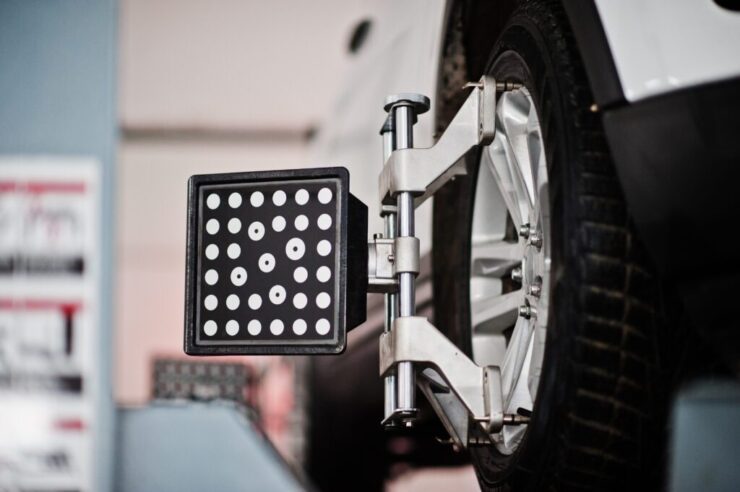
Many truck owners lump alignment and frame issues into one category, but they are very different problems.
Alignment refers to the precise angles of the wheels relative to each other and the road. Frame damage affects the physical structure of the truck itself.
A truck can be out of alignment without having frame damage, while a bent frame will almost always throw alignment off repeatedly, no matter how many times it gets adjusted.
Did you know?
Severe frame misalignment can cause long-term structural fatigue, meaning even brand-new parts wear out faster because the truck is constantly “fighting” itself while moving. That is why accurate diagnosis is so important before any major repairs begin.
How Professionals Diagnose Frame And Alignment Issues
Modern diagnosis goes far beyond simply eyeballing the tires.
Qualified repair centers use computerized alignment systems, frame measurement tools, and experienced inspection to identify both obvious and hidden issues.
The inspection typically covers steering components, suspension bushings, shocks, brake condition, and chassis geometry.
Industry guidelines point out that trucks showing repeated alignment drift after correction often have underlying frame stress that must be checked, not just repeatedly realigned.
This level of diagnosis prevents repeat repairs and helps ensure the truck is truly safe and road-ready, not temporarily patched.
Repair Options: From Simple Adjustments To Major Structural Work
Not every alignment or frame problem leads to a massive repair bill. Depending on severity, fixes can range from basic adjustments to more advanced structural work.
Common repair paths include:
- Precision wheel alignment adjustments
- Replacing worn steering or suspension components
- Straightening or repairing bent frame rails
- Reinforcing structural weak points
- Correcting ride height issues that affect alignment geometry
Good repair strategy always matches the cause, not just the symptom. That is how fleets keep trucks safe without overspending.
Repair Time, Downtime, And Cost Expectations

One of the biggest questions fleet owners ask is how long repairs will take and how much they might cost.
While every truck is different, general expectations look something like this:
| Repair Type | Typical Downtime | General Cost Level |
| Basic Alignment | Short | Lower |
| Component Replacement | Moderate | Medium |
| Frame Straightening | Longer | Higher |
| Major Structural Repair | Extended | Significant |
Proper planning matters. Scheduling inspections before problems escalate is often the biggest money saver a fleet can use.
Preventing Future Alignment And Frame Problems
Instead of reacting to expensive surprises, fleets do better when they treat alignment and frame health as routine maintenance.
Consistency is everything. Helpful prevention habits include:
- Scheduling periodic professional alignment checks
- Training drivers to report vibration, drifting, or steering changes early
- Rotating tires regularly and watching wear patterns
- Avoiding curbs, hard impacts, and unnecessary weight stress
- Inspecting trucks after collisions, even “minor” ones
Small attention today prevents big headaches tomorrow.
Final Thoughts
Commercial truck frame and alignment issues do not just affect how a truck drives.
They shape safety, fuel efficiency, tire life, repair costs, and overall reliability. The moment a truck stops feeling “right,” it is usually not imagination. It is an early warning.
Fleets that listen to those warnings and treat alignment as part of core maintenance usually spend less over time and enjoy greater driver confidence.
Whether you operate one truck or manage an entire fleet, staying proactive with inspections, repairs, and smart repair choices keeps your vehicles safer on the road and protects your business from avoidable downtime.